The Buyer Journey on TikTok
With over 30 million users each month, thought leaders and small businesses alike have started turning to social media giant TikTok for brand awareness, sales potential and plain old virality. The potential for all three amplified when TikTok Shop, the platform’s own ecommerce model that runs alongside its famous algorithm, arrived on the scene in 2023. TikTok Shop has revolutionised the consumer experience and the sales funnel as a whole. Now, you don’t have to break your doomscroll to make a quick purchase. For lots of brands, charging full-speed onto this channel was a no-brainer.
As an agency, we’ve seen this enthusiasm up close. Yet, the dream doesn’t always pan out. Products, levels of commitment, understanding of TikTok as a platform, and so much more factor into your business’ success on TikTok Shop. Before you commit, it’s important to understand exactly what you’re getting into, and how to make TikTok work for you.
Let’s break down exactly how users are finding your brand and cashing in on your products on TikTok.
The Psychology of the Scroll
Doomscrolling is the newest, coolest “response” to stress, according to Dr. Aditi Nerurkar in an article for Harvard Health. Social media bonds with the human desire for instant gratification, prodding you to act on pure, unfiltered want. Spending time scrolling actually “alters dopamine pathways, a critical component in reward processing, fostering dependency analogous to substance addiction.”
This phenomenon festers in TikTok’s unique algorithm, which feeds on user’s interest signals to produce an addictive stream of content. Hootsuite confirms these “interest signals” are measured by your level of viewership and engagement with certain content. TikTok can then spit out a feed carefully engineered to keep you on the app longer. Because your For You Page is a reflection of you, it invites you to tight knit communities and consistently reinforces your opinions, interests, desires, and dreams.
To turn “interest signals” into purchasing intent, it’s crucial to understand how the brain operates under the influence (yes, influence; experts frequently compare TikTok’s confirmation-bias-fueled algorithm to an addictive substance) of social media.
TikTok isn’t Amazon. It isn’t purely a sales channel. Millions of users filter on the app daily for the purpose of leisure, entertainment, and sometimes pure dependency. Purchasing intent is minimal if existent at all.
Your user will find your product like this: they’ll be scrolling, watching a highlight reel of content that specifically represents their personality and interests, and all of the sudden, a creator they are bound to interact with has linked your product. (Maybe your own content will surface, if you’ve cracked the short form video equation, but that’s less likely).
Your product appears before social media users, not active shoppers. It’s an afterthought to the content they care about, not the focal point. And if your product directly speaks to that self-indulgent, screen-adhered mental state they’re bound to be in while scrolling, they’ll buy in a matter of taps.
That mental state is crucial to your success on TikTok. If your offering requires even a marginal forward-thinking investment of time or money, you could be dead in the water. Users are most active on TikTok in the evenings and on weekends; in their free time, that is. Your TikTok audience isn’t finding you while in the throes of productivity or in an alert environment. TikTok is intrinsically linked to leisure.
Many veterans of the platform have joked that the state they’re in while scrolling through eons of personalised content is less than presentable. This is so prevalent that the term ‘doomscrolling’ is almost inseparable from its sibling, ‘bed rotting’ (exactly how it sounds). With a processed snack on one side and an abhorrent number on the clock on the other, your audience is in their most self-serving, indulgent form while on TikTok. This is why the products that perform well are cheap, rely on irresistible USPs (a “treat yourself” selling point), and are easy to buy. Viral products include Wonderskin’s mind-boggling lip stain, Nutrition Geeks’ promise of easy health goals and a better body via affordable supplements, neck massagers (self explanatory…), and more.
What Influences a For You Page?
A TikTok user’s personal curated algorithm (the For You Page) is influenced by (and not limited to) factors listed below:
- The videos you like
- The videos you share
- The videos you save
- The videos you repost
- The videos your mutuals repost
- The videos you comment on
- How long you watch videos
- Videos you watch in full
- Content you create
- Video hashtags
- Video captions
- Video sounds
- Trends
- Viral videos
- Your region
- Your language preference
- What you mark as “not interested”
- Links you click
- LIVEs you interact with
- Past search behaviour
These factors are time sensitive, as well. For instance, trends on TikTok go almost as quickly as they come along, so brands who arrive late find themselves washed away with the tide. Non-shop videos have only so long a lifespan on the For You Page before they become harder to come across organically. Hashtags themselves can be time sensitive, such as #christmas2025 or #bridgertonseason4.
How Can App Users Find Your TikTok Shop?
For our purposes, we’ll break down the front end of TikTok shop (what the consumer sees). Your audience can discover you in a few different ways:
- Affiliate videos
- Influencer videos
- Brand page content
- On the shop interface
- In a user’s showcase
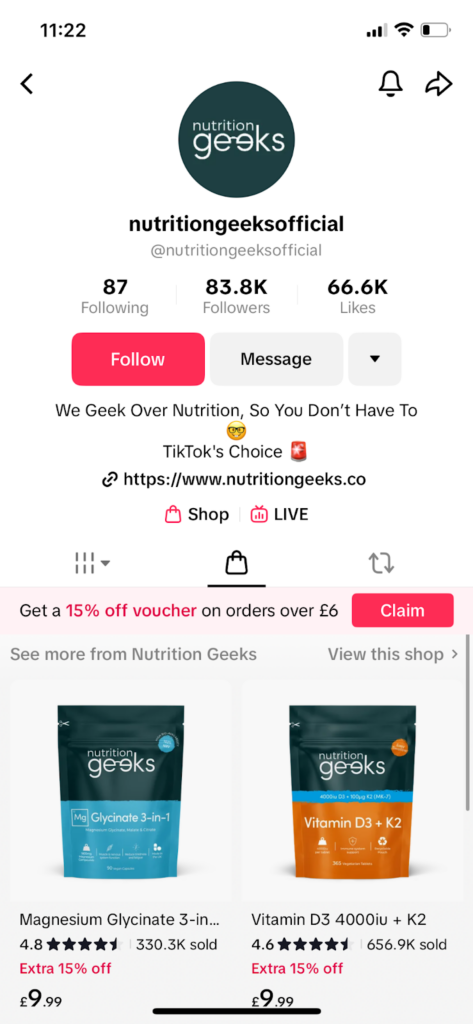
- On the brand pages’ shop tab/showcase
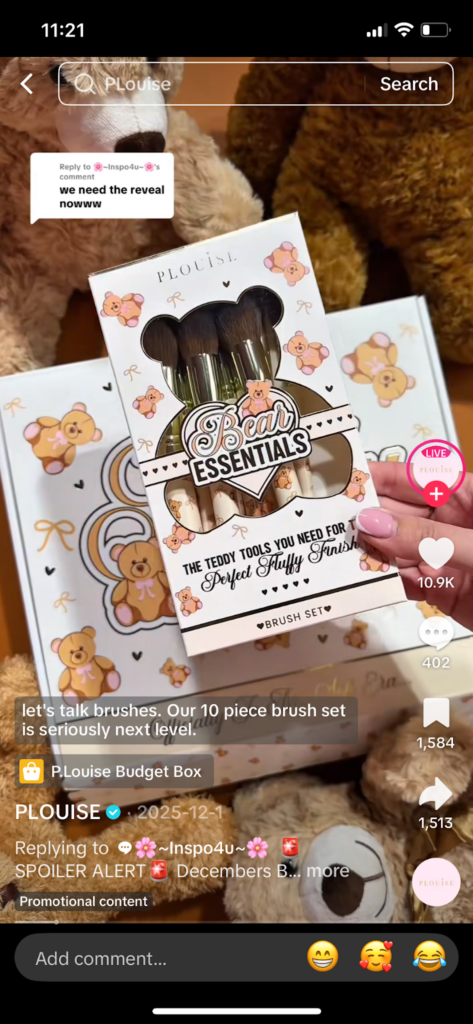
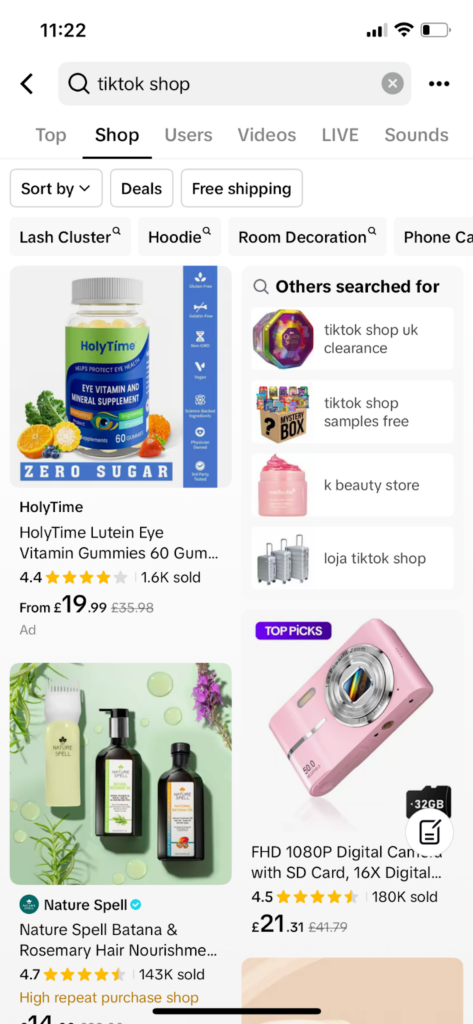
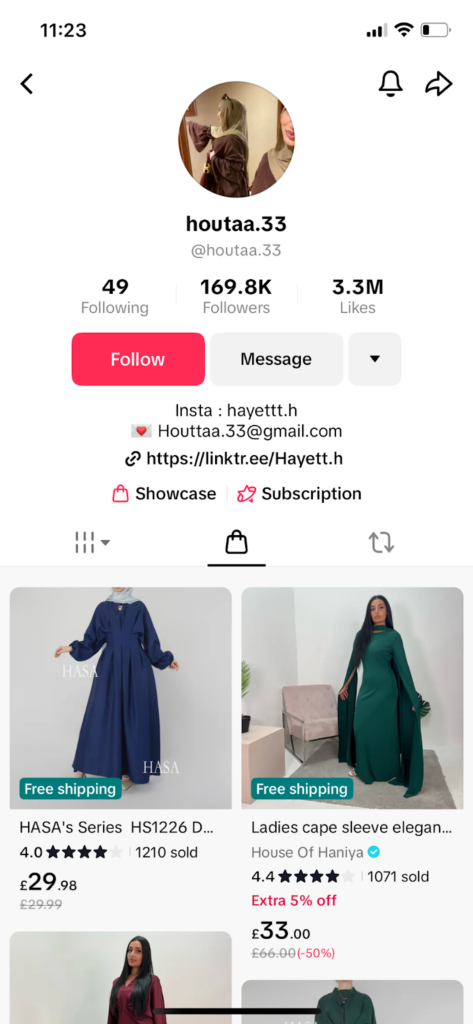
The first three avenues find users via their For You Page (we’ll go into more detail in the following section on the difference and purposes of all three). Numbers five and six refer to spaces you can access within an account page. The shop interface is a separate tab on TikTok altogether.
Affiliate Videos
Influencer Videos
Brand Page Content
Shop Interface
User/Affiliate/Influencer Showcase
Brand Page Showcase/Shop Tab
Influencers, Affiliates, and Showcases; Oh, My!
Upon joining forces with TikTok Shop, one of the first concepts you must understand is the difference between influencers and affiliates.
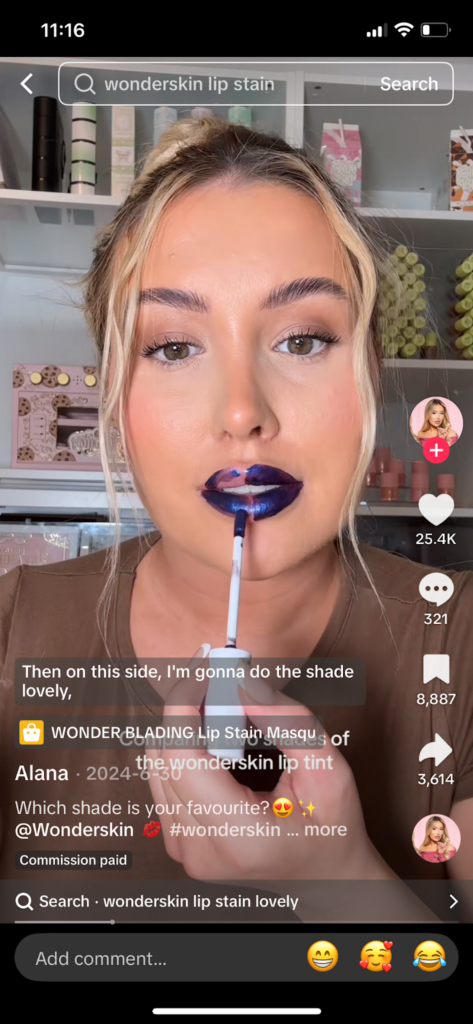
Affiliate Marketing is performance-based. On TikTok Shop, sellers can reach out to TikTok’s ever-expanding bank of creators who can access TikTok’s in-platform affiliate programme. These are called affiliate invitations, and they form the backbone of success on TikTok Shop. Brands send products to affiliates who accept these invitations, and in turn, affiliates make content on the product. Each sale earns them a commission set by the seller. It is important to note that no flat fees are exchanged via the TikTok affiliate onboarding process. Affiliates are incentivised by samples and commissions alone. Furthermore, most affiliates are unlikely to accept your invitation (especially for new shops), so volume is key.
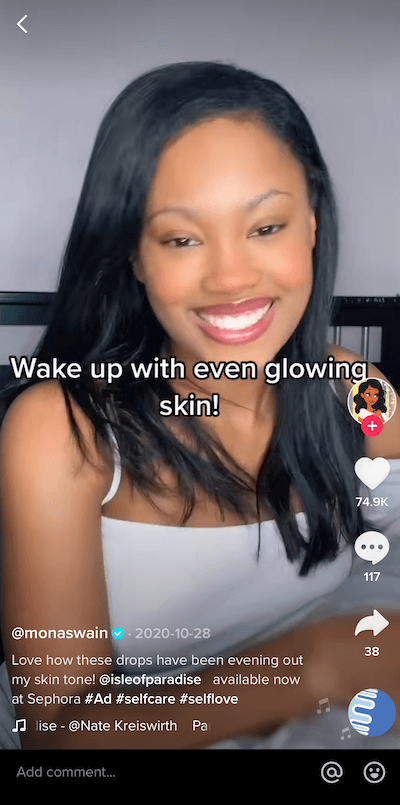
Influencer Marketing does ordinarily depend on flat fees. When bringing on an influencer, your brand gets to dictate elements of the agreement and write up a contract. This process is entirely independent of TikTok, unless of course part of that agreement includes linking products from your TikTok Shop. Influencers are paid regardless of performance, and their high costs can present significant risks. This comes alongside the understanding that since your influencer is working directly with you, the brand, their content is higher quality and more closely controlled. You get to review the final product before it gets posted, and the influencer, in turn, gets to bear the badge of representing your brand and its values. Neither of these luxuries are afforded to sellers using the affiliate programme, where affiliate content is more like a glorified on-camera review. Where affiliates score authenticity points with their audience, influencers produce a certain standard of content.
The showcase allows a creator to link products directly on their profile. Fans of the creator can peruse their showcase to see what products they’re enjoying, and order right off the tab. Creators can earn commission for purchases on these linked products. This is a free exchange for both seller and creator.
What Should Your Brand Invest in?
Because money isn’t changing hands from seller to affiliate, affiliate marketing tends to be more of a toss-up than influencer marketing. While you may reach out to creators with any statistics you’d like, because samples are significantly less incentivising than the fees most influencers charge, it’s unlikely you’ll have the opportunity to collaborate with your favourite mega-creators. Affiliates are more likely to accept your invitation when reviews are high, your product is selling, and they believe they can easily generate a sizeable commission from your offering. Until then, you can build an army of micro-creators who flood the algorithm with videos on your product. These are the risks affiliate marketing presents alongside its attractive potential for big gains with low COGs.
On the other hand, if your brand is ready to make the leap into influencer marketing, you’d better be prepared to shell out for the overhead costs. Most influencers with any weight to their offering charge at least £1k-£2k+ a video, and that comes with no guarantees of success. If the content bombs, that’s your brand’s loss. The caveat is that sellers who opt to bring on influencers are working with a curated audience and handpicked creator statistics. Booking an influencer via their professional channels is a different game than sending a copy-paste invitation to affiliates. The likelihood of influencers accepting proposals (within the terms of their rate cards and expectations) is far higher than that of affiliates. Furthermore, influencers can provide better ROIs. Cater to the right creator, and you can craft a memorable campaign that isn’t restricted to distant sample shipping.
Whatever combination your brand chooses, the result ultimately affects the buyer journey of your audience. Are they coming across lots of videos of users just like them giving your product a go and linking it right in the video? Or are they stumbling upon a huge sponsored post from their favourite creator with ad spend behind it and #ad in the caption? How your brand represents itself to the TikTok audience is crucial in creating a strategy that effectively funnels the passive, bed-rotting viewer to the active consumer.
The Buyer Journey
The TikTok buyer journey, as dissected above, can be broken down into this graphic:
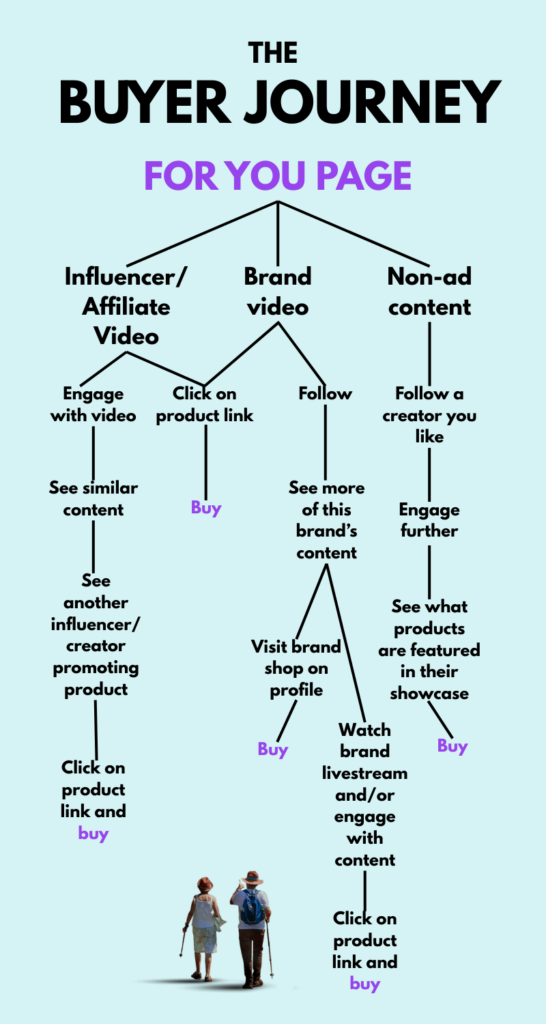
Of course, all great shops start with a powerful guiding force. Want some help navigating this process, or curious how it might fit with your business? Discover more and book a call. Are you an experienced UGC creator excited by the prospect of connecting brands with their dream audiences on TikTok? Apply to work with us as an affiliate today!

Leave a Comment